Solar Installation in Peshawar: Heat, Dust & High Yields in 2026
Peshawar enjoys some of the most generous sunshine in Pakistan, but it also throws real challenges at a solar system: scorching summers, gritty dust storms, and wide temperature swings. A durable solar installation in Peshawar is less about simply bolting panels to a roof and more about engineering for the local climate so that output stays high for 25 years. In 2026, with grid tariffs high and technology mature, getting this right pays off handsomely.
This guide focuses on what actually matters for Peshawar’s conditions: heat tolerance, dust management, component selection, and the real savings families and businesses can expect.
Why Solar Installation in Peshawar Delivers Big Yields
Peshawar sits in a high-irradiance zone with long, clear sunny spells for most of the year. Independent resource data compiled through platforms like the World Bank Global Solar Atlas confirm the region’s strong daily solar potential, which translates into excellent generation per installed kilowatt.
That abundant sunlight, combined with steep electricity prices, gives Peshawar one of the shorter payback windows in the country. A correctly sized home system often recovers its cost within three to five years.
The heat paradox
Here is a counterintuitive truth: extreme heat slightly reduces panel efficiency even as sunlight increases. Every panel has a temperature coefficient, and on a 45°C Peshawar afternoon, output per panel dips. Good design compensates with proper airflow behind the modules and heat-tolerant components.
Designing for Dust and Temperature
Dust is the quiet thief of solar output in Peshawar. A layer of grit on the glass can cut generation noticeably, so design and maintenance must account for it from day one.
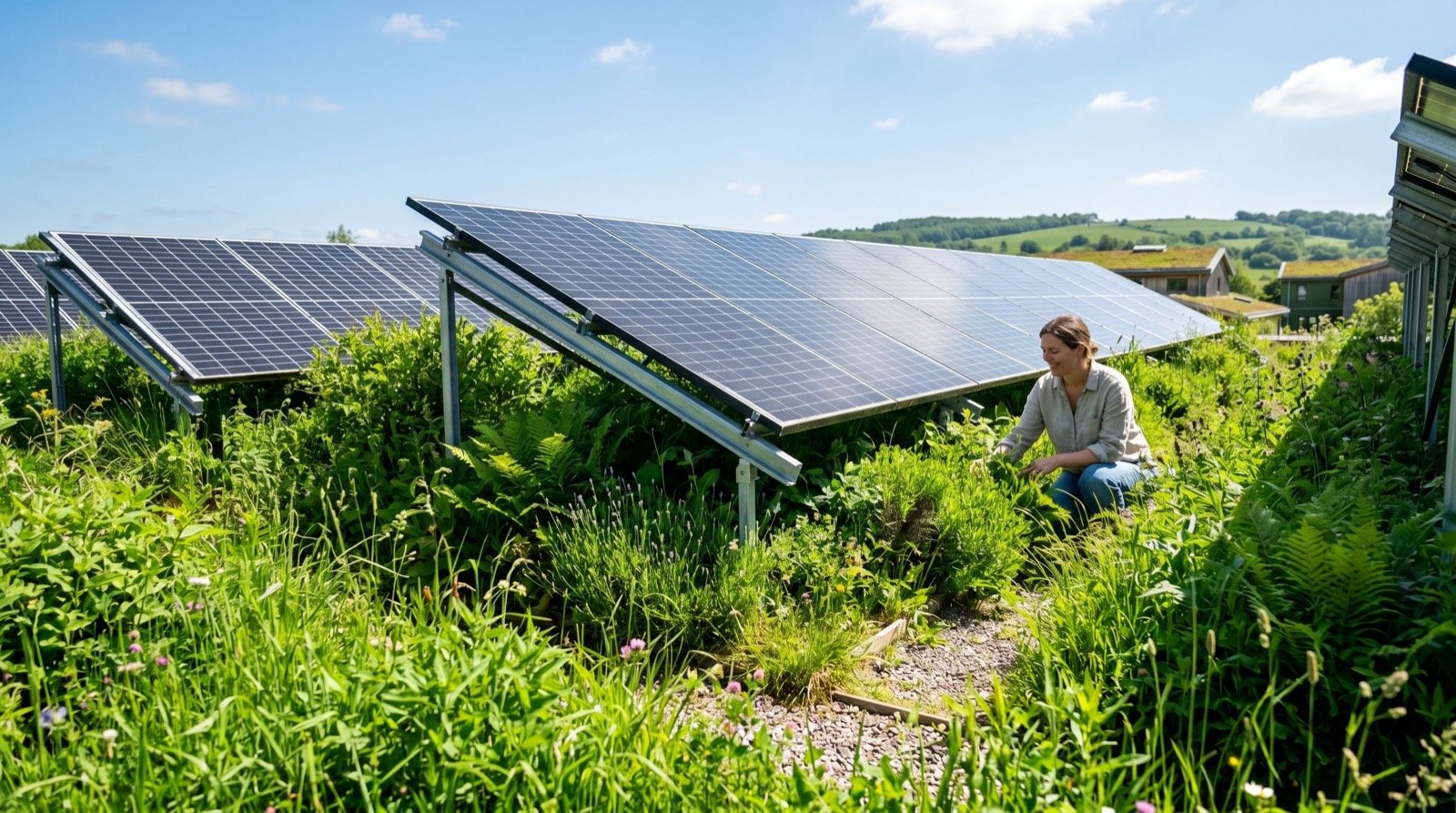
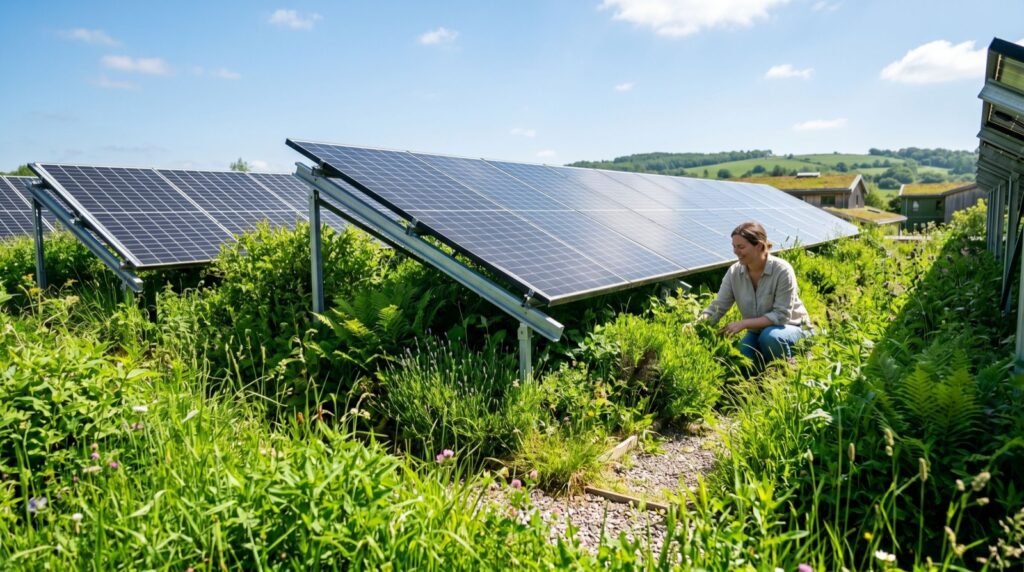
- Tilt angle: A steeper tilt helps rain and gravity shed dust between cleanings.
- Mounting height: Raised rails improve airflow and cooling behind panels.
- Anti-soiling glass: Modern coatings reduce dust adhesion.
- Cleaning schedule: Periodic washing, especially after dust storms, restores lost output.
Choosing components rated for high ambient temperatures protects long-term reliability. Inverters in particular should be mounted in shade with good ventilation, never baking in direct afternoon sun.
What a Solar Installation in Peshawar Costs in 2026
Pricing tracks the national market but should always include dust-aware design and quality mounting. The table shows indicative turnkey ranges for residential systems.
| System Size | Est. Monthly Output | Ideal User | 2026 Price (PKR) |
|---|---|---|---|
| 5 kW on-grid | 650–720 units | Compact home | 8–11 lakh |
| 10 kW on-grid | 1,300–1,450 units | Family home | 15–20 lakh |
| 10 kW hybrid | 1,300–1,450 units | Backup needed | 24–33 lakh |
| 20 kW on-grid | 2,600–2,900 units | Shop/clinic | 28–38 lakh |
Peshawar’s strong irradiance means output per kW often edges above the national average, which shortens payback. For a climate-appropriate solar installation in Peshawar, insist on components and warranties that explicitly cover high-temperature operation.
How Do You Keep a Peshawar Solar System Performing?
Installation is the start, not the finish. A few habits keep a Peshawar array producing at its peak for decades.
- Clean panels regularly, and always after major dust storms.
- Check inverter readings monthly through the monitoring app.
- Inspect mounting bolts and cable glands before and after monsoon.
- Compare monthly yield against the installer’s estimate to catch faults early.
Partnering with trusted professionals who offer ongoing monitoring means problems get caught before they cost you real money. A silent 15% output drop from soiling or a failing optimiser is easy to miss without data.
Warranty and certification checks
Verify AEDB certification, confirm the panel product warranty separately from the performance warranty, and ask who services the inverter locally. A warranty is only as good as the company standing behind it.
Comparing Peshawar With Other High-Sun Cities
Several Pakistani cities share Peshawar’s generous sunlight. Buyers weighing options sometimes compare with solar panels in Quetta, where high altitude and cool, clear air also produce strong yields. Peshawar’s edge is its combination of high irradiance and dense urban demand, which keeps self-consumption high and savings immediate.
Net Metering in Peshawar
Net metering lets your system export surplus daytime units to PESCO and draw them back later, effectively banking your generation. The process requires a certified installation, an application with equipment specs, a physical inspection, and a bidirectional meter. A good installer manages the entire approval on your behalf.
Battery Backup: Is It Right for Peshawar Homes?
Load shedding still interrupts daily life across Peshawar, which makes battery storage genuinely useful rather than a luxury. A hybrid system stores surplus midday generation and releases it during evening outages, keeping fans, lights, and essentials alive without a noisy generator.
Lithium batteries dominate new installations because they tolerate heat better, last longer, and need no watering or ventilation like older lead-acid banks. They cost more upfront, but their longer cycle life usually wins over the full ownership period.
A practical sizing tip: do not try to back up your entire house. Identify the critical loads you truly need during an outage, size the battery for those, and leave heavy loads like air conditioning on direct solar or grid power. This keeps the battery affordable while still delivering real resilience when the grid fails.
Choosing Heat-Rated Components
In Peshawar’s climate, component ratings are not marketing fluff; they decide whether your system thrives or degrades early. Look for panels with a low temperature coefficient, inverters rated for high ambient operation, and cabling with UV-resistant insulation. These details separate a 25-year asset from one that fades within a decade.
Frequently Asked Questions
Does Peshawar’s heat damage solar panels?
Quality panels are built to operate in high heat, though efficiency dips slightly at extreme temperatures. Proper mounting with airflow and heat-rated inverters keeps performance strong throughout Peshawar summers.
How often should I clean my solar panels in Peshawar?
Aim for cleaning every four to six weeks, and more often during dusty, dry spells or after storms. Regular cleaning can recover a meaningful share of output lost to soiling.
What payback period is realistic for a solar installation in Peshawar?
Thanks to strong sunlight, most on-grid residential systems pay back in three to five years. High self-consumption and rising tariffs can push the return even faster.
Is a hybrid system worth it in Peshawar?
If outages disrupt your home or business, yes. A hybrid system with batteries keeps essential loads running during load shedding while still offsetting your daytime grid use.
Conclusion: Engineer for the Climate, Reap the Returns
A thoughtful solar installation in Peshawar turns the region’s intense sun into dependable, decades-long savings, provided the design respects local heat and dust. Choose heat-rated components, a dust-smart layout, and an installer who stays for the long haul, and your roof becomes a resilient asset.
Request a free site survey and a climate-optimised quote today, and start banking Peshawar’s sunshine before the next tariff increase arrives.